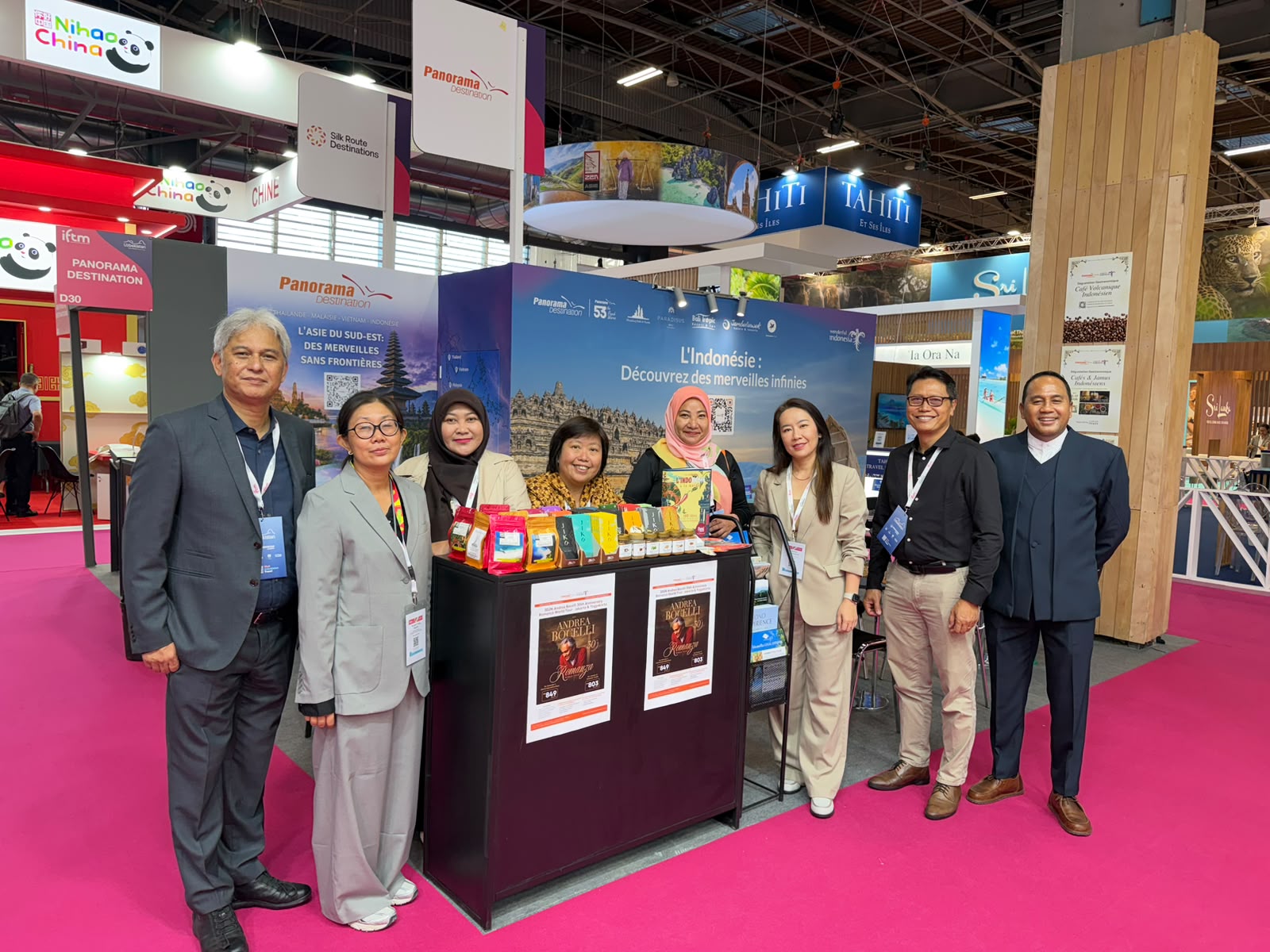
Indonesia is placing gastronomy at the heart of its tourism strategy, positioning its diverse culinary heritage as a defining element of the nation’s identity. According to the Ministry of Tourism, gastronomy is no longer viewed simply as food, but as a holistic experience—one that reflects culture, history and the stories behind each destination. This approach aims to build a tourism identity that is both distinctive and competitive on the global stage.
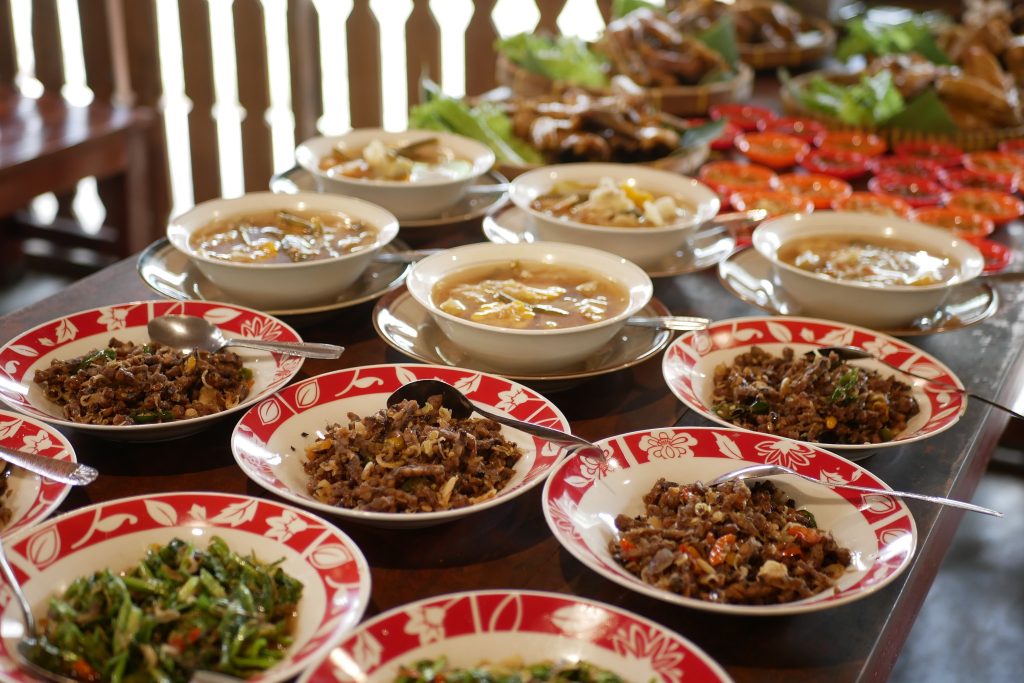
At its core, Indonesia’s gastronomy tourism focuses on creating meaningful connections between travellers and local communities. From street-side delicacies to regional specialities, culinary experiences are shaped by cultural traditions, agricultural practices and local knowledge. The government emphasises that these experiences play a key role in visitor satisfaction and loyalty, as travellers increasingly seek authentic, experience-led journeys that go beyond sightseeing.
To support this vision, efforts are being made to strengthen the entire gastronomy ecosystem—from improving hygiene and service standards to enhancing human resource capacity and cultural interpretation. Collaboration between stakeholders, alongside stronger marketing strategies, is also seen as essential in elevating Indonesia’s culinary offerings and ensuring consistent quality across destinations.
With its vast culinary diversity—from iconic dishes like rendang and satay to region-specific flavours across the archipelago—Indonesia is uniquely positioned to develop gastronomy as a powerful tourism driver. As the country continues to refine its approach, food is emerging not just as a complement to travel, but as a compelling reason to visit in its own right; inviting travellers to explore Indonesia through taste, tradition and shared experience.