Tucked away among the mountains of Thailand’s far north, Chiang Rai offers a fascinating blend of cultural heritage, natural beauty and authentic local experiences. While its larger neighbour Chiang Mai often attracts the spotlight, Chiang Rai rewards travellers with a slower pace, fewer crowds and a wealth of attractions that showcase the rich history and diversity of northern Thailand.
Bordering Laos and Myanmar, Chiang Rai is the gateway to the legendary Golden Triangle and an ideal destination for travellers seeking to venture beyond Thailand’s most familiar tourist routes.
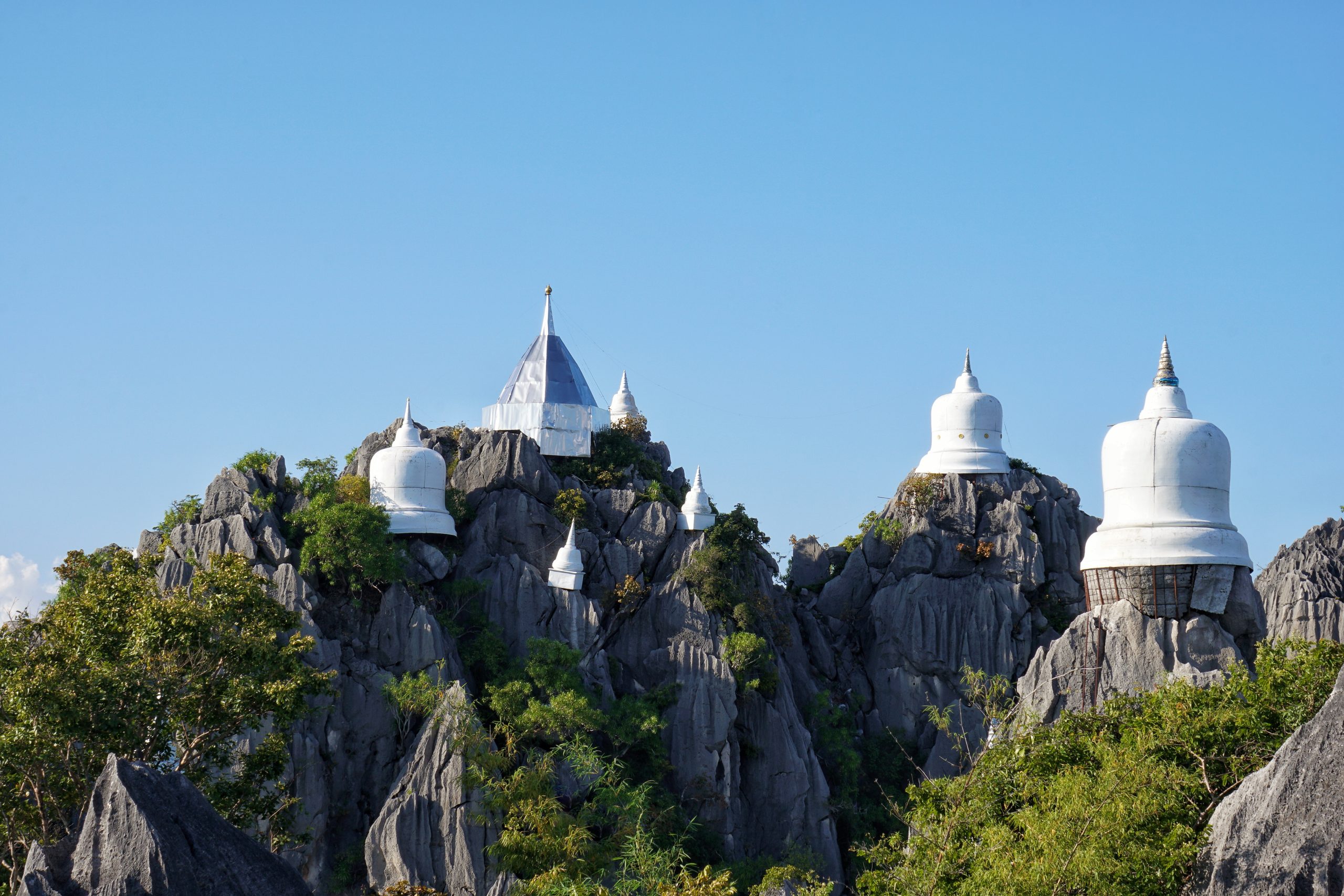
Chiang Rai’s appeal lies in its remarkable combination of culture, art and scenery. The province is home to misty mountain landscapes, tea plantations, ethnic hill tribe communities and some of Thailand’s most distinctive temples.
Perhaps the most famous is Wat Rong Khun, better known as the White Temple. Created by renowned Thai artist Chalermchai Kositpipat, this striking contemporary masterpiece combines traditional Buddhist symbolism with modern artistic elements, making it one of the country’s most photographed landmarks.
Equally intriguing is the Blue Temple, or Wat Rong Suea Ten, whose vivid sapphire interiors and intricate artwork provide a dramatic contrast to the White Temple’s dazzling façade.
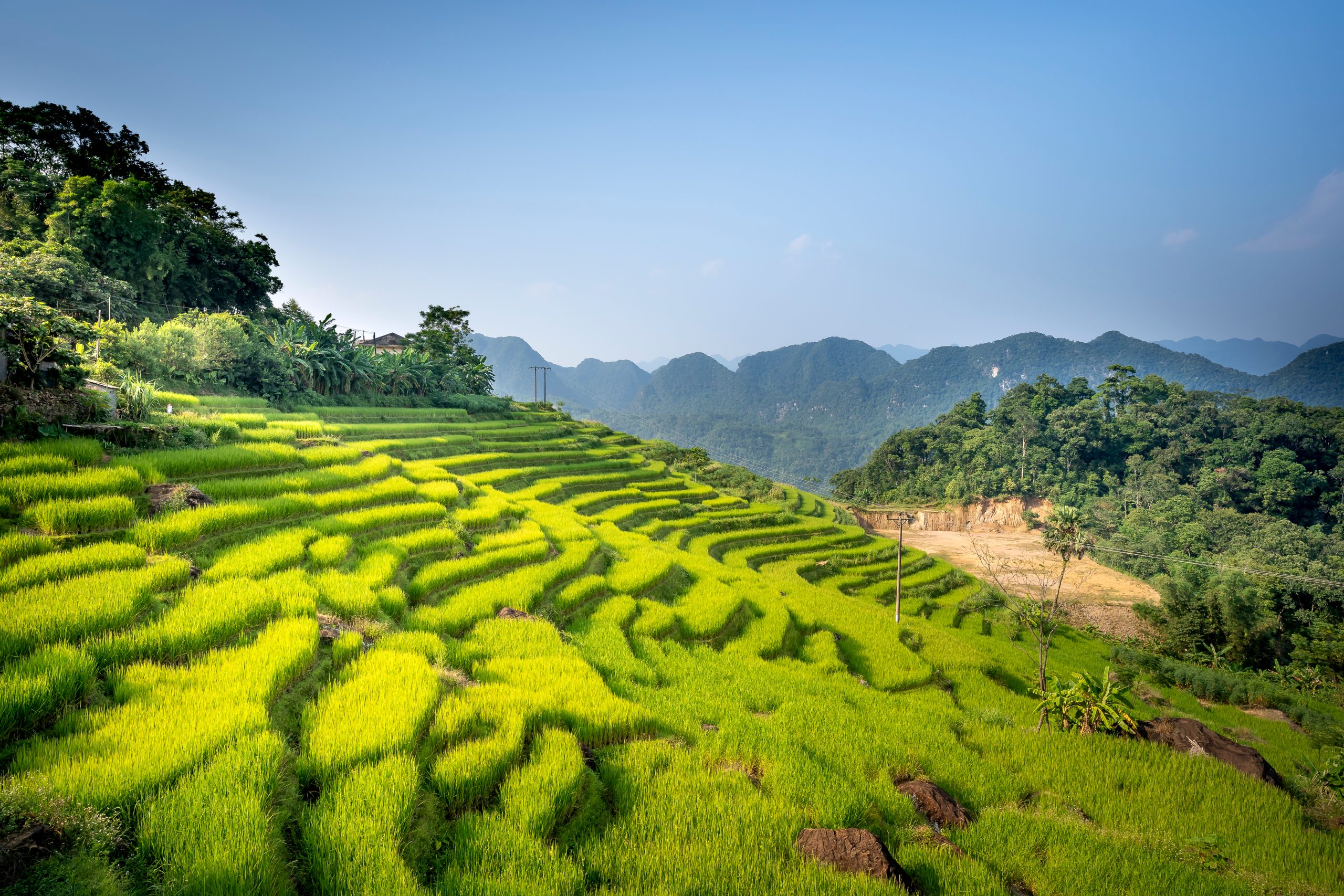
The cool mountain climate of Chiang Rai creates ideal conditions for cultivating high-quality tea and coffee. The rolling hills around Doi Mae Salong are famous for their tea plantations, many established by Chinese communities that settled in the area decades ago. Here, visitors can tour tea estates, sample locally grown oolong teas and enjoy panoramic views across terraced hillsides that are often compared to landscapes found in southern China or Taiwan.
Coffee cultivation has also become increasingly important throughout the province, supporting sustainable livelihoods for local communities while producing beans that are gaining recognition among coffee enthusiasts.
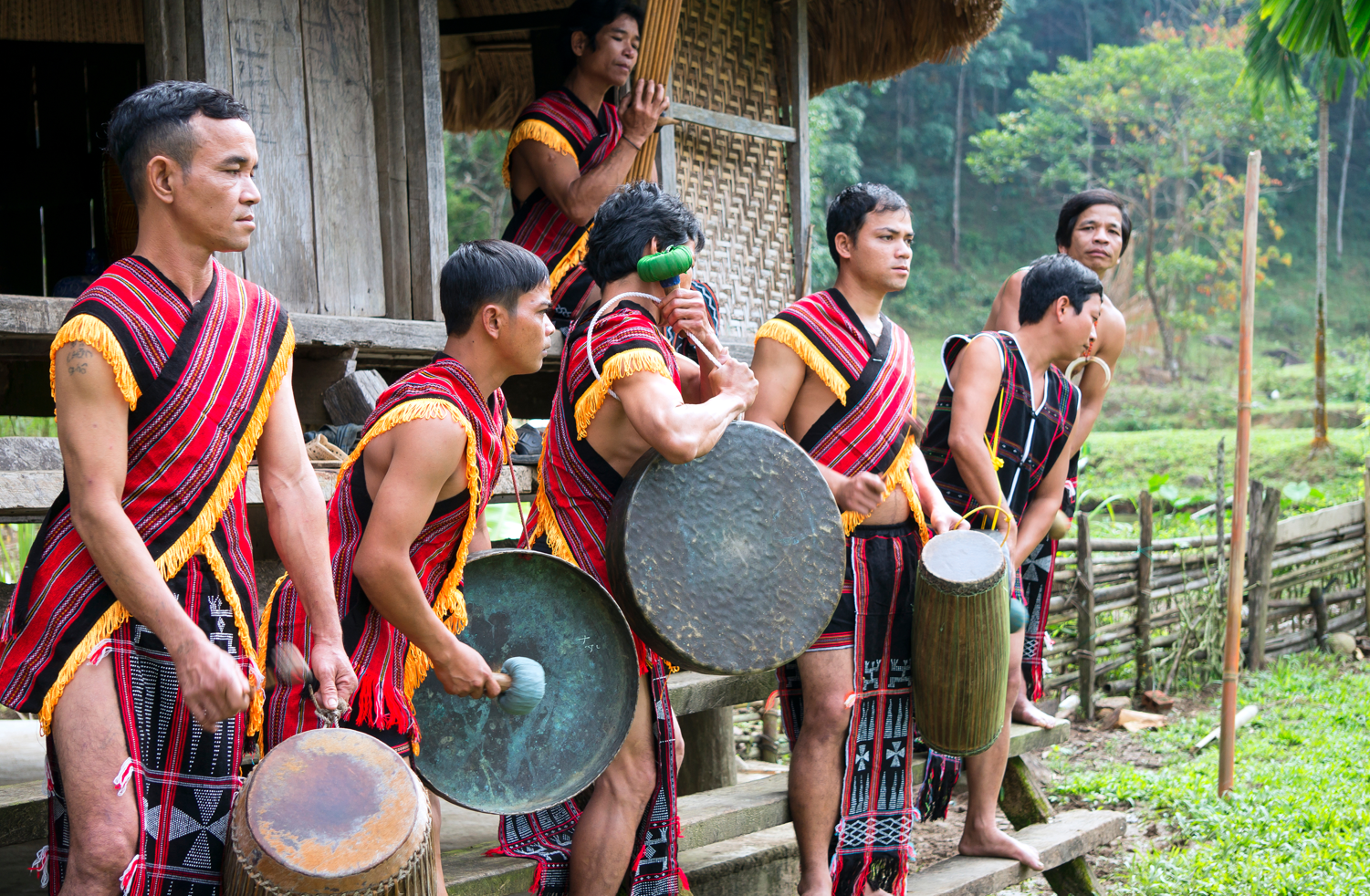
Chiang Rai is home to a diverse range of ethnic groups, including Akha, Karen, Hmong, Lahu and Yao communities. Carefully managed community-based tourism experiences allow visitors to learn about traditional crafts, agriculture, cuisine and cultural practices while supporting local livelihoods.
These encounters offer valuable insight into the cultural diversity that has shaped northern Thailand for generations and provide meaningful alternatives to more conventional sightseeing.
Beyond its cultural attractions, Chiang Rai offers abundant opportunities for outdoor exploration. Mountain roads wind through forests and rural villages, leading to viewpoints, waterfalls and national parks that showcase the natural beauty of northern Thailand.
Phu Chi Fa, one of the region’s most famous viewpoints, is particularly spectacular at sunrise, when a sea of mist often blankets the valleys below. Elsewhere, Doi Tung combines mountain scenery with beautifully landscaped gardens and the historic Doi Tung Royal Villa.
The cooler climate makes Chiang Rai especially appealing for travellers seeking relief from Thailand’s tropical heat while enjoying hiking, cycling and scenic drives through the countryside.
Chiang Rai offers an experience that feels distinctly different from Thailand’s beaches, islands and major cities. Here, ancient traditions, contemporary art, mountain landscapes and cultural diversity come together to create one of the country’s most rewarding destinations.
Whether exploring the Golden Triangle, visiting extraordinary temples, discovering tea-covered hills or connecting with local communities, travellers will find that Chiang Rai reveals a rich and authentic side of Thailand that is well worth the journey north.