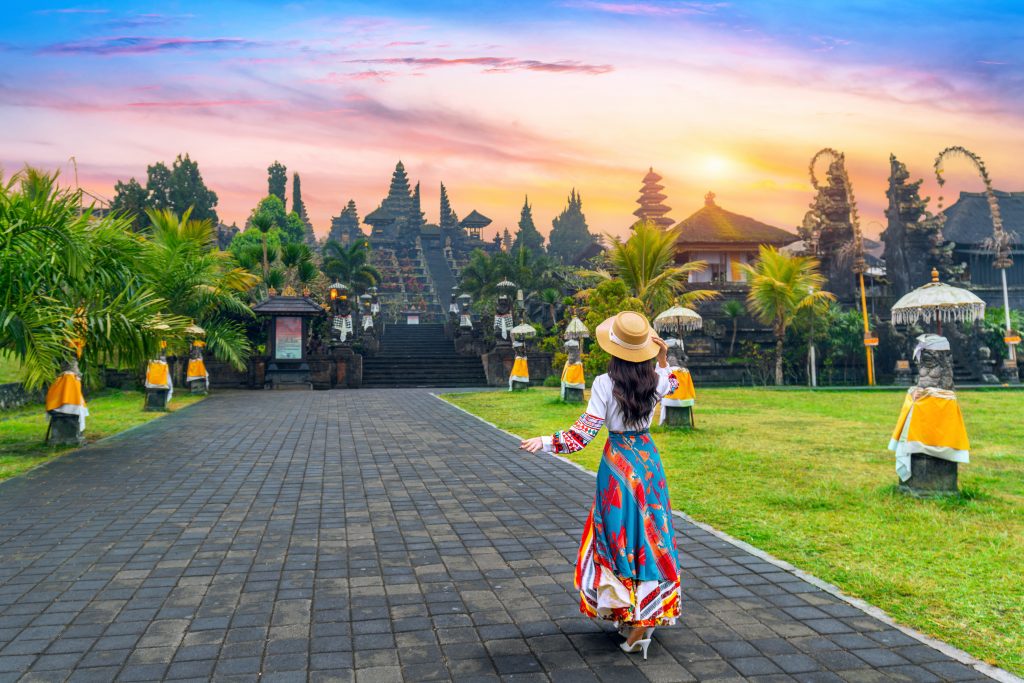
Indonesia is stepping confidently into a new era of tourism – a future defined by quality, sustainability and meaningful cultural exchange. As the country refines its long-term development strategy, national leaders are placing nature, culture and community at the heart of Indonesia’s tourism identity. The result is a shift towards experiences that are authentic, environmentally responsible and deeply rooted in local heritage.
The Ministry of Tourism recently confirmed that, instead of measuring success only in arrivals and overnight stays, the focus is now on how tourism can create added value: protecting landscapes, honouring local traditions and improving community welfare.
During a recent discussion with the Tourism and Creative Economy Journalists Forum, the ministry’s Deputy for Marketing, Ni Made Ayu Marthini, underlined that tourism must go beyond attractive scenery to foster awareness, empathy and sustainability; according to Marthini, clean, well-managed destinations are seen as a reflection of a “civilised” tourism industry – one that signals professionalism and care to visitors from around the world.
The new paradigm is built around three key pillars: nature, culture and community well-being. Nature-based tourism remains a major strength for Indonesia, with national parks, marine protected areas, lakes and coastal destinations drawing travellers who value outdoor adventure and conservation. The ministry is encouraging development that respects environmental carrying capacity, so economic benefits do not come at the expense of fragile ecosystems.
Culture is another cornerstone of this vision. Indonesian gastronomy, maritime heritage and wellness traditions are being positioned as part of the country’s national identity, with festivals, culinary events and cultural programmes all playing a role. Managed well, these sectors offer visitors memorable experiences while sustaining local customs, crafts and creative industries.
Equally important is community participation. The ministry is pushing a transition from top-down development to a more bottom-up approach, where local residents are involved in planning and managing tourism. Tourism villages are a prime example: they are designed not only as visitor attractions, but also as platforms for social transformation, giving communities a stronger voice and a fairer share of the benefits.
Innovation is another thread running through Indonesia’s tourism outlook. Under the Tourism 5.0 concept, digital tools and artificial intelligence are being explored to guide travellers toward sustainable choices—such as eco-friendly accommodation, low-impact activities and destinations that actively support conservation.
At the same time, a national Clean Tourism movement is being promoted to raise standards of cleanliness and hygiene. This is not just a campaign slogan, but an effort to build collective responsibility among government, industry players, communities and visitors themselves.
The ministry’s “Go Beyond Ordinary” messaging captures the spirit of this shift. Travel is framed not simply as leisure, but as an opportunity to leave a positive impact—socially, culturally and environmentally. Indonesia is not competing to be the cheapest or the most crowded destination, but to be one of the most meaningful and responsible.
For travellers and partners, this changing landscape opens the door to richer, more purposeful journeys across the archipelago. From pristine lakes and marine parks to vibrant tourism villages and cultural hubs, Indonesia’s emerging tourism model offers experiences that support local livelihoods, celebrate identity and safeguard nature for future generations.
As the sector evolves, nature, culture and community will continue to guide Indonesia’s tourism future—ensuring that every trip tells a deeper story and contributes to a more sustainable world.