Thailand is charting a bold new course in national tourism policy by shifting its focus from sheer visitor numbers to quality-led, value-driven tourism development. This emerging approach, set to shape Thailand’s tourism landscape through 2026 and beyond, prioritises memorable experiences, sustainability and meaningful engagement over record arrival figures.
For decades, Thailand’s tourism success was measured by volume: millions of visitors and the economic boost they provided. Today, policymakers are embracing a paradigm shift where the emphasis lies not on quantity but on the economic and social value generated by each visit. This reflects broader global trends in travel preferences, where discerning travellers increasingly seek experiences that offer cultural authenticity, personal enrichment and sustainability.
At the heart of this new tourism paradigm is a vision often encapsulated under slogans such as “Value is the New Volume.” Under this guiding principle, Thailand’s national tourism strategy in 2026 puts greater weight on quality experiences, responsible practices and long-term prosperity for both the sector and local communities.
This quality-first approach aims to attract travellers who prioritise deeper cultural engagement, wellness and bespoke experiences — segments that are associated with higher spending, longer stays and more meaningful interactions between visitors and host communities. In doing so, Thailand hopes to foster tourism that is economically resilient, socially inclusive and environmentally sustainable.
The Tourism Authority of Thailand (TAT) and related government bodies are backing this shift with strategic investments and initiatives designed to deliver tangible benefits. Among these measures are improved safety and quality standards, enhanced destination storytelling, and expanded partnerships across creative, cultural, and community sectors.
Under the quality tourism vision, Thailand is broadening its portfolio of visitor experiences to go beyond classic highlights such as beaches and temples. Instead, the focus is on thematic travel pathways that cater to diverse interests including wellness, cultural immersion, gastronomy, adventure and creative arts. This supports the idea that tourism should promote not only enjoyment but also personal growth and cultural understanding.
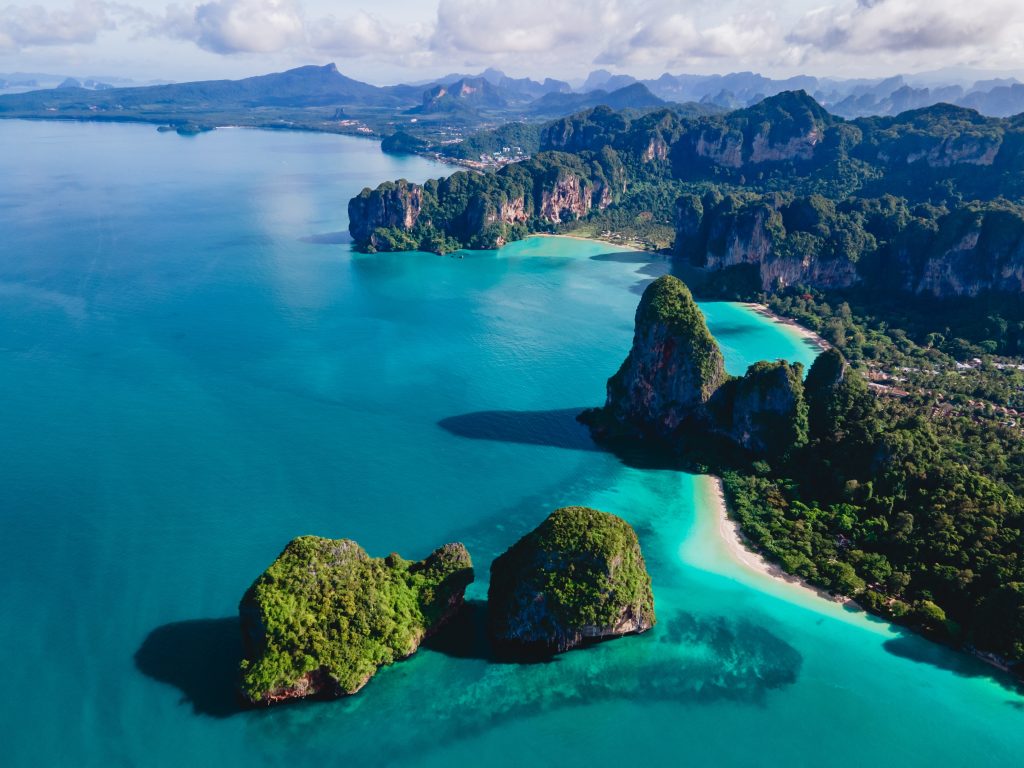
Regions across the country are being encouraged to showcase their unique strengths: northern provinces emphasise seasonal and cultural narratives, central Thailand promotes music, history and refined experiences, the south highlights nature-based wellness and coastal attractions, and the northeast shares deep traditions and local heritage.
By investing in such differentiated offerings, Thailand hopes to attract high-value travellers from key international markets while also bolstering domestic tourism through purposeful travel campaigns that encourage citizens to explore their own country more deeply.
The quality-first tourism framework places sustainability and community wellbeing at its core. Rather than driving unchecked growth that can strain local resources and ecosystems, the new model seeks to ensure that tourism development is balanced, responsible and beneficial for local residents. Communities are positioned as active partners in tourism development, helping shape experiences that reflect authentic culture and local values.
Environmental stewardship, cultural preservation and equitable economic benefits are emphasised as essential outcomes of the quality tourism agenda. This aligns Thailand with international aspirations for more responsible travel and supports its competitiveness as a destination of enduring appeal.
As the tourism sector continues to evolve, Thailand’s shift toward quality over quantity signals a new era of strategic tourism development; one in which economic success is measured not just by visitor totals, but by the experiences delivered, communities enriched and natural environments preserved. With thoughtful implementation, this quality-centred approach promises to redefine Thailand’s place on the global tourism map throughout 2026 and beyond.