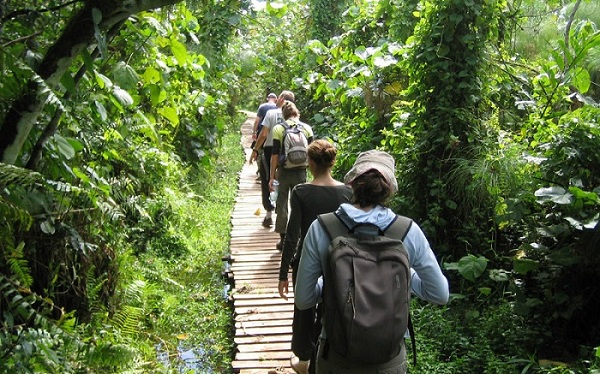
Thailand has taken a significant step towards greener travel with the launch of a new Sustainable Tourism Plan, setting out a clear roadmap for responsible tourism development in 2026.
The plan focuses on reducing the environmental footprint of tourism while strengthening community involvement and long-term economic resilience. Key priorities include lowering carbon emissions across the travel sector, promoting waste reduction and supporting local enterprises in tourism destinations nationwide.
A central pillar of the strategy is encouraging travellers to make more sustainable choices. This includes greater promotion of low-impact transport, energy-efficient accommodation and tourism activities that respect local culture and natural ecosystems. The plan also supports tourism businesses in adopting sustainability standards and improving environmental management practices.
Community-based tourism plays an important role in the new framework. By empowering local communities to develop and manage tourism experiences, Thailand aims to ensure that tourism revenue is more evenly distributed while preserving cultural heritage and traditional ways of life. This approach also helps visitors gain more meaningful and authentic travel experiences.
Nature conservation is another core focus, with measures designed to protect marine environments, national parks and wildlife areas that are under increasing pressure from visitor numbers. Authorities are encouraging responsible travel behaviour in sensitive areas while strengthening conservation funding through tourism activity.
The Sustainable Tourism Plan builds on Thailand’s wider efforts to position itself as a responsible destination that balances growth with environmental and social responsibility. As global travellers increasingly seek greener travel options, the initiative reinforces Thailand’s commitment to adapting its tourism industry to meet evolving expectations.
With the plan now in place, Thailand is looking ahead to 2026 with a clear vision for a tourism sector that supports communities, protects natural assets and delivers high-quality experiences for visitors.