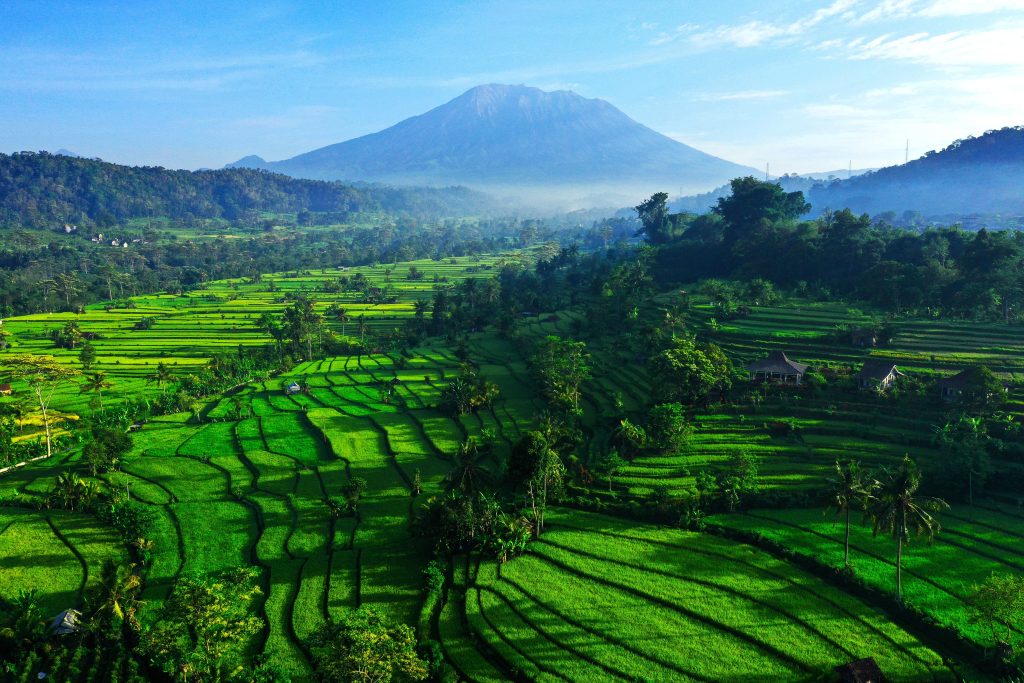
Bali is redefining the visitor experience through its growing network of tourism villages (desa wisata), offering travellers authentic, community-led encounters that go far beyond the island’s well-known beaches and resort hubs. These villages invite guests to engage directly with Balinese daily life; from traditional farming and craft-making to temple ceremonies and local culinary traditions, they visiting these villages can provide a deeper understanding of the island’s living culture.
Developed as part of Indonesia’s sustainable tourism strategy, Bali’s tourism villages empower local communities to manage and benefit from tourism, while preserving their cultural heritage and natural landscapes. Visitors can participate in hands-on activities such as rice planting in terraced paddies, learning batik and woodcarving techniques, preparing traditional dishes, or joining purification rituals at village temples. This model ensures that tourism revenue remains within the community, supporting livelihoods and encouraging younger generations to sustain ancestral practices.
Below are just five of the many tourism villages dotted around Bali, each offering something unique and distinctive for visitors to explore and enjoy:
There are more than 200 officially designated tourism villages in Bali, each with an identity shaped by its environment and traditions. In the highlands, travellers can explore agroforestry systems and coffee cultivation, while coastal communities showcase fishing traditions and seaweed farming. Many villages also promote eco-friendly initiatives, including waste management programmes, organic farming and conservation efforts that protect Bali’s fragile ecosystems.
The rise of tourism villages aligns with global demand for meaningful, responsible travel. For visitors seeking authenticity, these destinations provide a rare opportunity to connect with local people and traditions in a respectful, participatory way. For Bali, they represent a pathway toward more balanced tourism; dispersing visitor flows, reducing pressure on overcrowded areas, and ensuring that the benefits of tourism are shared more equitably across the island.
As interest continues to grow, Bali’s tourism villages provide a compelling example of how cultural preservation and sustainable development can work hand in hand, offering immersive experiences that enrich both travellers and host communities.