Da Nang is stepping confidently into the travel spotlight in 2026 as Vietnam draws renewed international attention — including recognition from The New York Times, which recently included Vietnam in its “52 Places to Go in 2026” list.
Located midway between Hanoi and Ho Chi Minh City, Da Nang combines coastal beauty, cultural depth and modern infrastructure, offering travellers a balanced blend of relaxation, heritage and urban energy. Its strategic location along Vietnam’s central coast makes it an ideal base for exploring both city highlights and nearby UNESCO-listed landmarks.
From Trading Port to Modern Coastal Hub
Once a modest port city, Da Nang has transformed over the past two decades into one of Vietnam’s most liveable and forward-looking urban centres. Wide boulevards, a clean beachfront, efficient transport links and a growing creative scene have helped shape Da Nang’s reputation as a city that is both visitor-friendly and locally grounded.
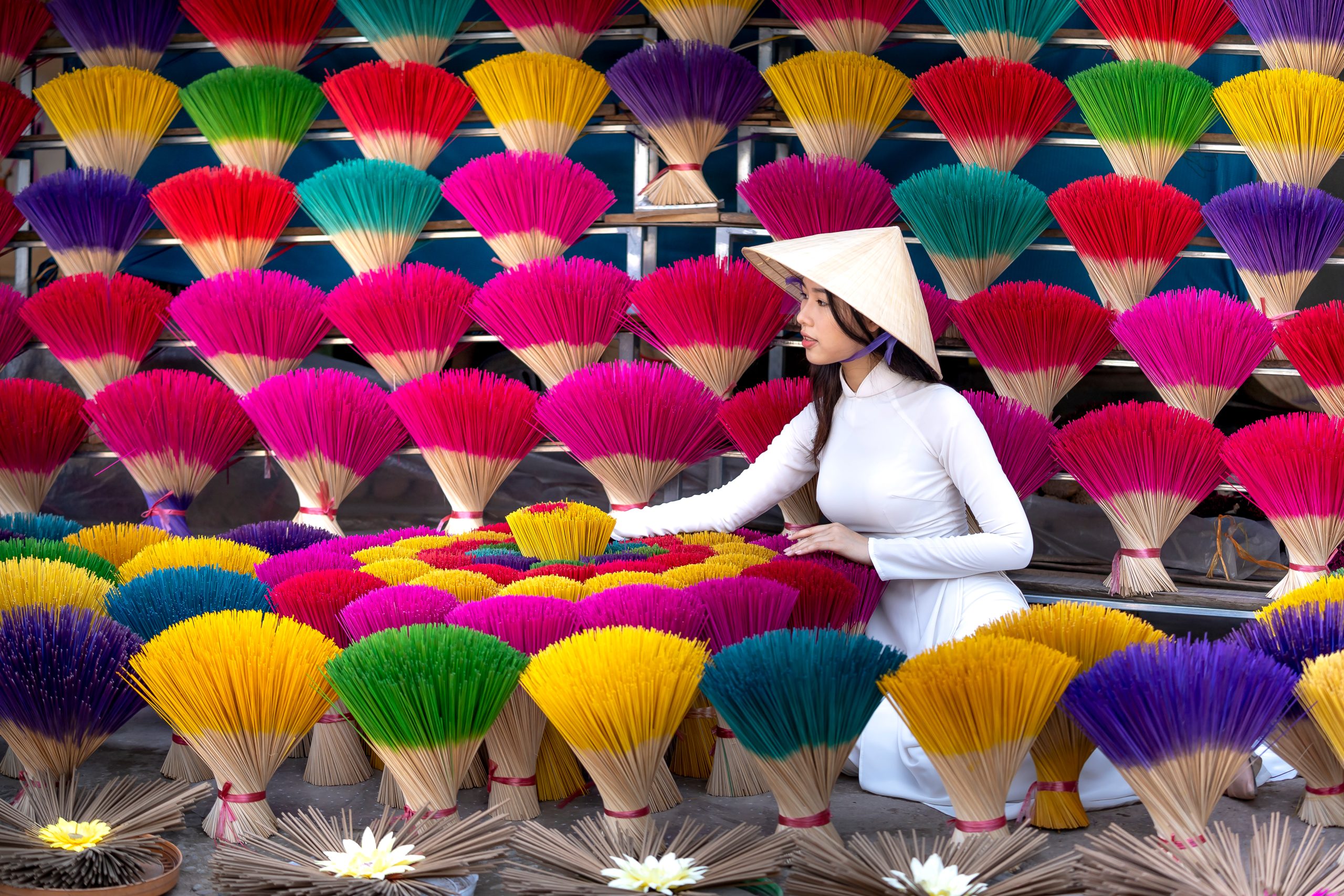
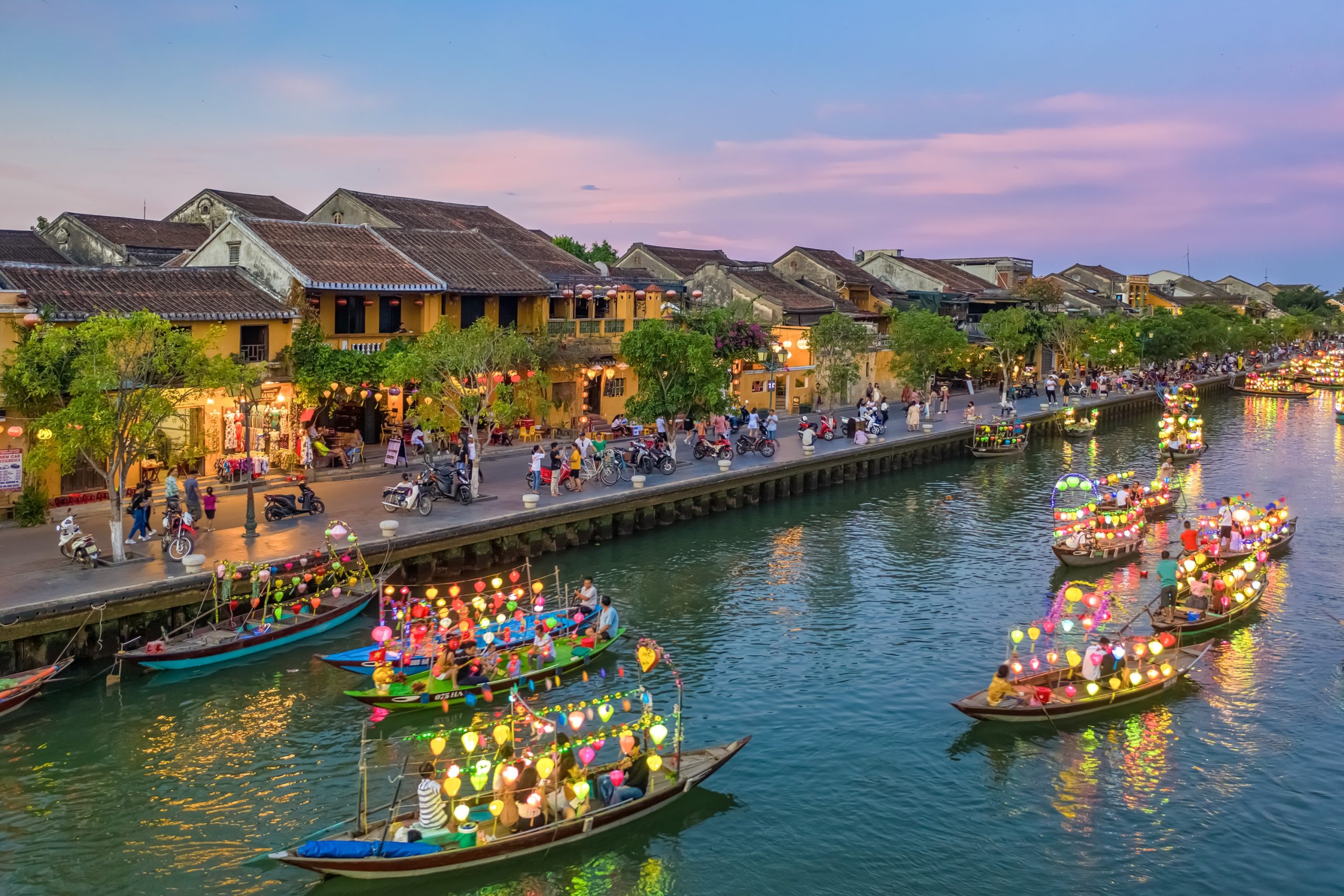
Despite its rapid development, Da Nang has retained a strong sense of place. Fishing communities, traditional markets and pagodas sit alongside contemporary cafés, hotels and cultural spaces, creating a destination that feels authentic yet comfortably modern.
Beaches, Mountains and Iconic Landscapes
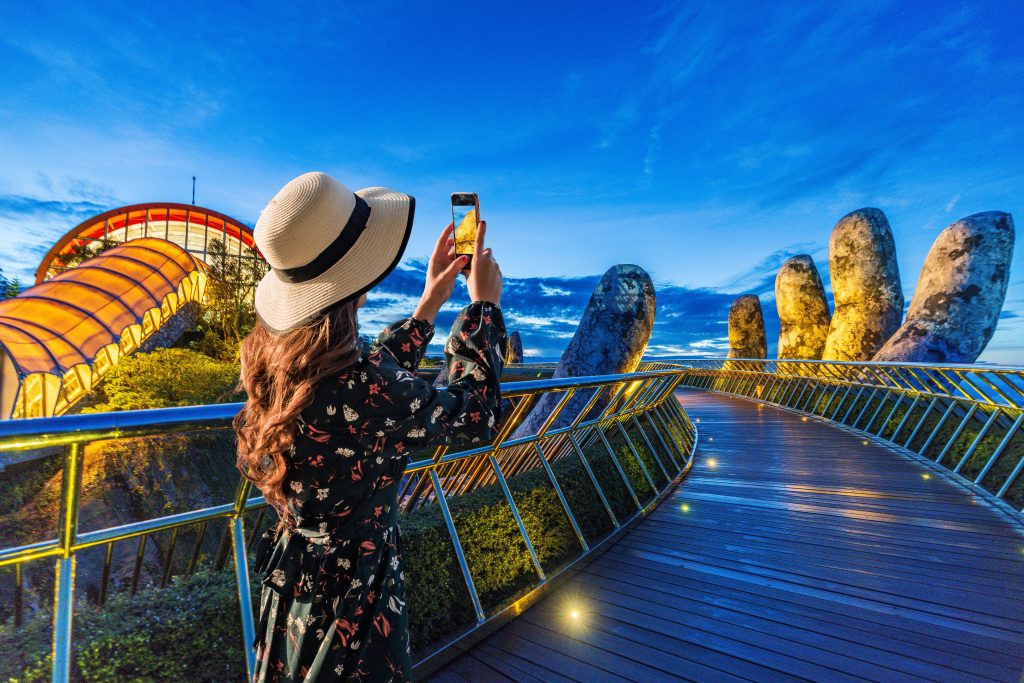
Da Nang’s natural setting is one of its strongest draws. The city is framed by long stretches of golden sand and dramatic green hills, offering easy access to outdoor experiences:
Together, these landscapes give Da Nang a rare advantage: travellers can move from beach to mountain to city centre within minutes.
Culture, Heritage and Nearby World Icons
While Da Nang itself is relatively modern, its location places it at the heart of central Vietnam’s cultural corridor. Just a short drive away are three of the country’s most important heritage sites:
This proximity allows visitors to enjoy Da Nang’s comfort and coastal lifestyle while easily accessing Vietnam’s deeper historical narratives.
A City for Food Lovers and Urban Explorers
Da Nang’s culinary scene is another highlight, shaped by central Vietnamese flavours that are lighter and spicier than those found in the south. Local specialities include mi quang (turmeric noodles), banh xeo (crispy pancakes) and fresh seafood served simply and flavourfully.
Street food stalls, local markets and casual eateries coexist with an expanding café culture and a growing number of contemporary restaurants, reflecting the city’s youthful energy and evolving tastes.
Why Da Nang Now?
International travel media have increasingly pointed to Da Nang as a destination to watch in 2026, noting its balance of affordability, quality infrastructure and diverse experiences. Unlike more crowded regional hotspots, Da Nang offers space, ease and variety — appealing to families, couples, digital nomads and culture-minded travellers alike.
As Vietnam continues to rise on global travel radars, Da Nang stands out as a city that captures the country’s momentum: confident, welcoming and richly layered. Whether as a coastal escape, cultural base or urban discovery, Da Nang is fast becoming one of Southeast Asia’s most compelling destinations.