Indonesia’s tourism landscape is entering a new era; one defined not by volume, but by depth. In 2026, the archipelago is embracing a shift towards experiential travel, where journeys are shaped by connection, culture and a renewed sense of purpose. From immersive nature stays to vibrant cultural festivals, Indonesia is positioning itself as a destination where travellers do more than visit – they engage, reflect and reconnect.
At the heart of this transformation is the growing demand for “meaningful tourism.” Travellers are increasingly seeking experiences that support mental wellbeing, foster cultural understanding and minimise environmental impact. In response, destinations across the country are evolving; moving away from traditional sightseeing towards curated, experience-led travel that prioritises authenticity and sustainability.
Nature, Reimagined: The Rise of Glamping
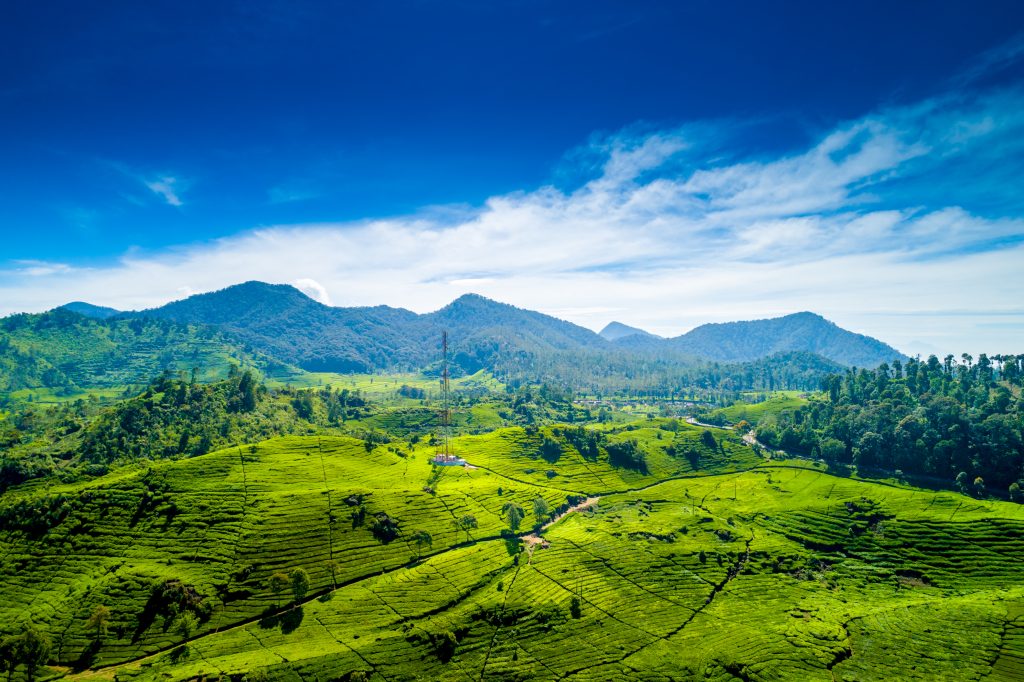
One of the clearest expressions of this trend can be found in Ciwidey, a lush highland region near Bandung that is fast emerging as a hub for experiential escapes. Known for its tea plantations and volcanic landscapes, Ciwidey is now gaining attention for its aesthetic glamping experiences, where the raw beauty of nature meets boutique comfort.
These eco-conscious stays provide a space for rest, reflection and reconnection. Designed around wellness and sustainability, glamping sites in Ciwidey allow travellers to immerse themselves in the landscape without sacrificing comfort, combining open-air living with thoughtful design, local experiences and a slower pace of travel.
As demand continues to grow, this model is being replicated across Indonesia, signalling a broader shift towards low-impact, high-value tourism.
Culture at the Forefront: Festivals That Tell a Story
Alongside nature-based experiences, Indonesia is revitalising its cultural tourism offering through a dynamic calendar of festivals and events. Among the most prominent is the Prambanan Shiva Festival, held at the iconic Prambanan Temple.
Set against the backdrop of one of Southeast Asia’s most important Hindu heritage sites, the festival brings together dance, ritual, and storytelling in a celebration of mythology and spirituality. By blending history, faith and artistic expression into a single immersive experience, the event offers visitors a deeper insight into Indonesia’s cultural traditions.
This renewed focus on cultural programming is supported by national initiatives such as Kharisma Event Nusantara (KEN), which curates hundreds of events across the archipelago to encourage longer stays and deeper engagement with local communities.
From Mass Tourism to Meaningful Journeys
Indonesia’s evolving approach reflects a broader global shift in travel behaviour. Increasingly, travellers are moving away from fast-paced itineraries and checklist tourism, choosing instead to invest time in experiences that feel personal, restorative and culturally enriching.
For Indonesia, this transition represents a strategic opportunity. With over 17,000 islands, diverse ecosystems and hundreds of distinct cultures, the country is uniquely positioned to deliver layered, experience-driven travel. With spiritual journeys in Java, wellness retreats in Bali and community-based tourism across rural regions from Sumatra to Flores, the possibilities are as diverse as the archipelago itself.
At the same time, this shift supports more sustainable tourism development—distributing economic benefits more evenly, empowering local communities and preserving cultural and natural heritage for future generations.
A Destination for Connection, Discovery and Renewal
As Indonesia looks ahead, experiential travel is no longer a niche; it is becoming the foundation of the country’s tourism identity. Whether it’s waking up to mist-covered tea fields in Ciwidey, witnessing ancient rituals at Prambanan, or engaging directly with local traditions, travellers are invited to experience Indonesia in a more meaningful way.