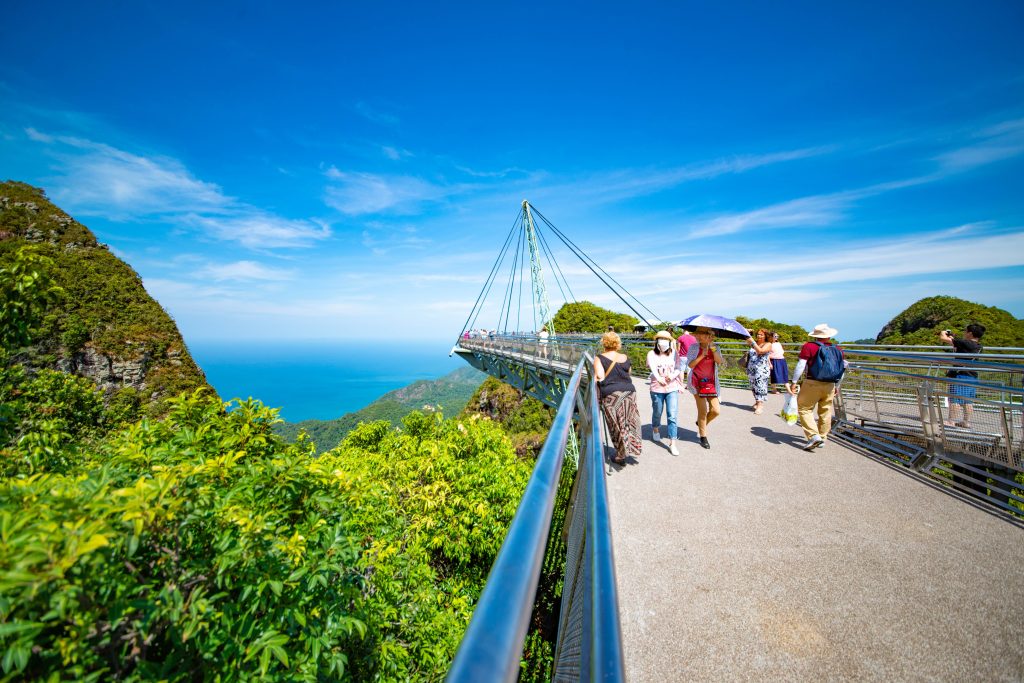
Langkawi is entering a new phase of tourism development, driven by strengthened regional collaboration and targeted business-to-business (B2B) engagement with key markets such as Singapore and southern Malaysia. Spearheaded by the Langkawi Development Authority (LADA), these initiatives reflect a strategic shift towards building deeper industry partnerships, enhancing market visibility and positioning Langkawi for long-term, sustainable growth.
Recent B2B sessions have brought together tourism stakeholders from Langkawi with buyers and industry players from Johor and Singapore, creating a platform for direct collaboration, product development and joint marketing efforts. These engagements are designed to move beyond traditional promotion, enabling more tailored travel packages and strengthening cross-border tourism flows.
The importance of these regional markets is clear. Singapore and southern Malaysia continue to represent resilient and high-potential visitor segments, supported by strong connectivity and established travel demand. By focusing on these nearby markets, Langkawi is building a more stable tourism base while also opening opportunities for higher-value segments, including MICE travel, premium family tourism and special interest groups.
At the same time, these collaborative efforts align closely with Malaysia’s broader tourism ambitions under the Visit Malaysia 2026 campaign. Langkawi, long recognised as the “Jewel of Kedah” and a UNESCO Global Geopark, is being repositioned not only as a leisure destination but as a hub for integrated, experience-led travel across the region.
A key outcome of these partnerships is the development of more seamless, cross-border itineraries that combine Langkawi with neighbouring destinations. This approach enhances the overall travel experience, offering visitors curated journeys that blend nature, culture and urban experiences across Malaysia and beyond. It also strengthens regional competitiveness by encouraging longer stays and higher visitor spending.
With a target of increasing tourist arrivals in the lead-up to 2026, Langkawi’s strategy reflects a broader evolution in how destinations engage with global markets. By prioritising collaboration, connectivity and product innovation, the island is positioning itself for a more resilient and diversified tourism future.
As demand continues to shift towards meaningful, well-curated travel experiences, Langkawi’s renewed focus on partnership-led growth highlights its ambition to remain one of Southeast Asia’s most attractive and forward-looking island destinations.